
General Surgery
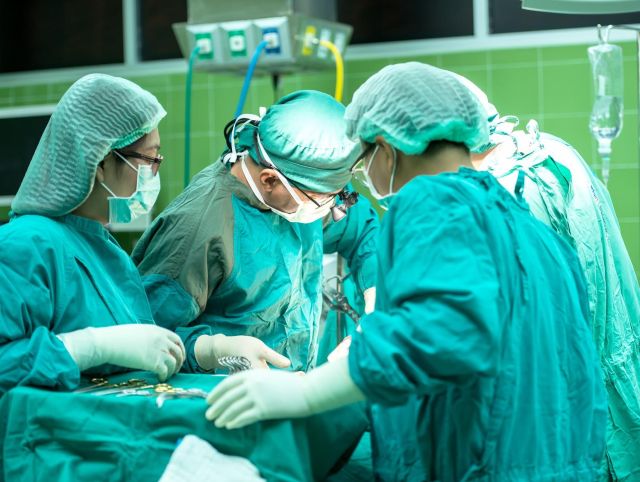
General surgery is the branch of medicine that treats the problems of the body that need an operation, and its everyday work centres on the abdomen and the digestive tract, the breast, the thyroid and other small glands, hernias and soft tissue. A general surgeon is "a doctor and a surgeon who's trained to care for the whole patient", not just during the operation but before and after it (Cleveland Clinic). If you have a bulge, a lump, repeated stomach pains or a change in your bowels, or you are being told you may need something done and are weighing whether to be treated at home or abroad, this guide walks through what happens step by step, why each step exists, what to ask, and how to protect yourself. First the important point: if a symptom suddenly gets worse, a swelling turns hard or painful, or you develop severe pain, fever or jaundice, do not wait for a planned appointment or a flight. Seek urgent local medical care now.
What general surgery is
General surgery is one of the main surgical specialties, recognised by the American College of Surgeons as one of fourteen, and the general surgeon is more likely than any other specialist to operate on your abdominal organs rather than your heart or your brain (Cleveland Clinic). Its defining feature is that general surgeons keep a wide range of knowledge so they can deal with all kinds of surgical emergencies, with a particular emphasis on acute problems of the abdomen (Royal College of Surgeons). In practice this is mostly common work: in the UK, about 80 per cent of a general surgeon's planned (elective) operations fall outside the specialist sub-fields, and the bread and butter is operations on the gallbladder and hernia repairs (Royal College of Surgeons).
The territory it covers is broad. The Royal College of Physicians and Surgeons of Canada describes the specialty as focusing on the alimentary tract, including the liver and pancreas, along with the endocrine glands, the breast, skin and soft tissues, and the abdominal wall (Royal College of Canada). A general surgeon will treat conditions of the upper digestive tract and the biliary system, meaning the gallbladder, bile ducts, pancreas and liver; endocrine conditions involving the thyroid or adrenal glands; breast cancer; and vascular conditions, and will refer you on if a condition lies outside their confidence (Cleveland Clinic). That is how general surgery differs from its neighbouring specialties: cardiothoracic surgery deals with the heart, lungs, oesophagus and chest, and neurosurgery with the brain and spinal cord (Royal College of Surgeons).
On MedicalTourism.Review, general surgery has ten direct services under it, and each has its own page:
- The core bowel work is Colon and Rectal Surgery, operations on the colon and rectum for cancer, polyps, diverticular disease, piles (haemorrhoids) and inflammatory bowel disease.
- Work on the chest and swallowing tube sits under Thoracic Surgery, while the thyroid, parathyroid and adrenal glands sit under Endocrine Surgery.
- Cancer removal is the field of Surgical Oncology, and injuries, critical illness and emergency surgery belong to Trauma Surgery and Surgical Critical Care.
- Replacing a failed organ is the work of Organ and Tissue Transplant.
- Surgery on children is Paediatric Surgery, and groin and abdominal wall bulges are Hernia Surgery.
- Foot and ankle operations are Podiatric Surgery, and breast work that is not cosmetic, such as biopsies, lumps and cancer, is Breast Surgery Non-cosmetic.
The specialised children, especially transplant, thoracic, surgical oncology and trauma and critical care, are far bigger operations than the everyday core of general surgery, and each has its own dedicated page, so this article routes you there rather than covering them in depth. General surgery also sits alongside other surgical fields on MedicalTourism.Review, such as Gastroenterological Surgery, Heart Surgery, Laparoscopy or Minimally Invasive Surgery, Maxillofacial Surgery, Neurosurgery, Open Surgery, Oral Surgery, Orthopedic Surgery, Plastic Surgery or Cosmetic Surgery, Prostatectomy and Transurethral Resection and Sinus Lifting, and it sits under the wider Surgery hub.
How general surgery works
The pathway runs from your first contact with a surgeon through to recovery, and each stage exists for a reason. You are usually seen first for a consultation, where the surgeon takes your history, examines you and orders tests (Cleveland Clinic). Those tests are the way the team confirms what they suspect before committing you to anything. Common investigations include blood tests, an ultrasound scan, and CT or MRI scans of the abdomen; a person with symptomatic gallstones, for instance, will typically have an ultrasound and a blood test (NHS). An endoscopy is a flexible tube with a camera passed up through the throat or down through the anus, and it lets a surgeon look inside the bowel and remove polyps or tumours without an open cut (Cleveland Clinic). Any tissue taken is sent to pathology, where a pathologist identifies the disease at the cell level, and results usually take days to weeks.
After the results are in, you and the surgeon agree a plan, and you give your informed consent, which means you understand the operation, its expected benefit and its hazards before agreeing to it. You are entitled to a second opinion from another surgeon at any point before the operation if you want to be sure (Cleveland Clinic). Because general anaesthetic carries its own risk, a pre-operative assessment happens a few weeks before a planned operation: blood tests, an X-ray, a heart trace called an electrocardiogram (ECG), and a fitness test, all to make sure you are well enough to go under the anaesthetic (NHS).
On the day, the operation is done either openly through a single cut or laparoscopically, through small keyhole incisions using slender tools and a camera. Keyhole surgery tends to cause less pain, give better outcomes and a shorter recovery, and virtually every abdominal operation can now be done this way (Royal College of Surgeons). The operation is usually under a general anaesthetic, where you are asleep and feel nothing (NHS), and many common general-surgery procedures such as a gallbladder removal are finished as a day case. Afterwards you go to a recovery room, where nurses monitor your wake-up; early movement in those first hours helps prevent blood clots, and you will then have wound care and a follow-up visit to discuss the results, including any biopsy findings.
Who it is for, and when not to wait
General surgery suits people whose condition can genuinely be improved or resolved by an operation, but not every finding needs one, and a good general surgeon will say plainly when watching and waiting is reasonable. Gallstones, for example, are common and often cause no symptoms at all; surgery to remove the gallbladder is the main treatment only when stones cause pain (NHS). A hiatal hernia, where part of the stomach slides up into the chest, is very common after age 50 and usually needs no treatment unless it causes problems such as heartburn and reflux (NHS). So the first question is whether you need surgery at all.
But for conditions that do need treating, delay is the real danger, and this is the side of the decision to weigh seriously. If appendicitis, an infection and swelling of the appendix, is not treated quickly, the appendix can burst, which risks the infection spreading through the abdomen (NHS). A blocked bile duct can inflame the gallbladder or the pancreas, and acute cholecystitis, an infected, blocked gallbladder, is potentially serious and usually needs hospital treatment with fluids and antibiotics (NHS). A bowel obstruction is a medical emergency that requires immediate care, and while it is treatable and people can recover with prompt attention, it cannot be managed from home (Cleveland Clinic). The costliest delay is in the bowel itself: the five-year survival for colorectal cancer is about 91 in 100 when the cancer is caught early, before it spreads; overall survival is about 65 in 100, and it falls sharply once the cancer has reached distant parts of the body (SEER).
Because delay is where harm happens, learn the signs that mean do not wait for a planned trip. Seek urgent care now if you have a hernia that becomes painful, firm or discoloured and cannot be pushed back in, which can be a sign of strangulation, when the muscle tightens around the trapped organs and cuts off their blood supply (NHS). Go at once for sudden, severe abdominal pain, especially with a high temperature, jaundice or vomiting, which can point to an infected gallbladder or blocked bile duct (NHS). See a doctor promptly for blood in the stool or black, tarry stool, for a new inability to pass gas or stool with vomiting, and for a breast lump, especially with skin dimpling, the nipple turning inwards or bloodstained discharge, since most breast lumps are harmless but some are serious and should always be checked (NHS).
Where screening exists, use it. The US Preventive Services Task Force concludes that colorectal cancer screening has substantial benefit for adults aged 50 to 75 and recommends starting screening at age 45 for people at average risk; if you have a family history or any of the warning symptoms above, you should be reviewed sooner (US Preventive Services Task Force).
How to prepare
Preparing properly is the part of the journey that is entirely in your control, and it lowers your risk of complications. Every item below serves a purpose:
- List every medicine and supplement. Tell the team about every prescription, over-the-counter drug and supplement you take, plus any past reaction to a general anaesthetic, so they can adjust your plan (NHS).
- Manage long-term conditions. Keeping diabetes, high blood pressure or anaemia well controlled before an operation helps your recovery (NHS).
- Stop smoking. Quitting tobacco and vaping before surgery speeds wound healing and improves outcomes (NHS).
- Gather your records. Bring all previous scans, reports and a diary of your symptoms, so the surgeon can see the whole picture without repeating tests.
- Arrange travel cover. If you are travelling abroad, get travel health insurance that covers medical evacuation and book your follow-up care at home before you fly (CDC).
Writing your questions down beforehand means you will not forget them in the room. You can ask your surgeon these exact things:
- "Why do you recommend surgery for my condition, and what would I lose by waiting?"
- "What are the most common risks and complications for this specific operation, and what would you do if one happened?"
- "Who will actually perform the operation, and how many of these do you do a year?"
- "Which anaesthetic will I have, and how long is a realistic recovery before I fly home or return to work?"
What to expect, risks and recovery
Operations offer real benefit, they relieve chronic pain, treat disease and restore how the body works, but they are real operations, and most people recover fully while some do not. Your personal risk depends on your health, any existing conditions and the complexity of the operation.
The risks of treatment and the risks of waiting. The anaesthetic itself: complications can happen during or after a general anaesthetic, but these are rare (NHS). Gallbladder removal is a common and safe procedure, but as with any surgery it carries risks of wound infection and blood clots, and occasionally injury to the bile ducts or a bile leak that needs further treatment (NHS). Complications of an appendectomy are rare (NHS). Hernia repair has a low chance of the hernia coming back, about 1 to 5 per cent, though one large trial of primary hernias found a higher recurrence of 10.1 per cent after laparoscopic repair versus 4.9 per cent after open repair at two years (PMC; NICE). Colorectal surgery is the higher-risk end of general surgery: postoperative complications occur in up to one-third of patients, overall mortality ranges from 1 to 16.4 per cent, and a second operation is needed 2 to 5.8 per cent of the time (PMC). Thyroid operations can injure the tiny parathyroid glands, causing low blood calcium, and in some people that low calcium becomes permanent, needing ongoing calcium tablets for more than six months after surgery (PMC). Set against this, the risks of waiting were covered above: a burst appendix, an infected gallbladder, a blocked bowel, and colorectal cancer caught later are all real, and several are emergencies.
Recovery depends on the procedure and the technique. After a day-case keyhole operation such as a gallbladder removal, you can usually go home the same day and return to normal over a few weeks, with symptoms improving soon after the operation (NHS). After an open abdominal operation, recovery takes longer, often several weeks of reduced activity. Whatever the procedure, the first hours after surgery focus on getting you moving early, because movement is the main protection against blood clots.
Finding general surgery abroad on MTR
Getting general surgery abroad can mean shorter waits and lower costs, but the operation itself is unchanged, and the logistics carry their own risk. Air travel and surgery both raise the risk of blood clots, and sitting for a long flight after an operation compounds that risk; delaying flying for 10 to 14 days after major surgery, especially chest operations, minimises the risk associated with cabin pressure changes (CDC). Longer periods of immobility, such as on a long flight after surgery, simply increase clot risk (CDC).
Before you book, weigh what a package does and does not include. All surgeries carry a risk of complications, and accreditation of a facility does not guarantee a positive outcome (CDC). Ask whether the facility has 24-hour surgical cover and an emergency and blood-bank capability behind it, and whether the surgeon you have been quoted is the one who will actually operate. Communication matters too: receiving care where you do not speak the language fluently can lead to misunderstandings about your treatment, and some countries have lower requirements for licensing, credentialing and accreditation than your home country (CDC).
Finally, plan the aftercare. Follow-up for complications abroad can be expensive, treatment may be prolonged, and it may not be covered by your home insurance (CDC). Obtain international travel health insurance that covers medical evacuation back home, arrange follow-up care in advance, and ask for your complete records in English, operation notes, wound instructions and biopsy results, so the surgeon treating any complication at home has everything (CDC).
Compare verified general surgery providers abroad on accreditation, follow-up and surgical cover rather than price alone, and read the practical guides on top medical tourism destinations worldwide and navigating US medical tourism.
This week, note your symptoms down, gather any scans you have, and speak to a doctor about whether your problem fits general surgery and whether it is urgent or can wait for a planned visit.
Medical disclaimer: This information is for general educational purposes and is not medical advice. Always consult a qualified healthcare professional about your individual situation.
Reviewed against authoritative medical sources (Cleveland Clinic; the Royal College of Surgeons of England; the Royal College of Physicians and Surgeons of Canada; the National Health Service of England; the National Institute for Health and Care Excellence; the US Centers for Disease Control and Prevention; the National Cancer Institute's Surveillance, Epidemiology and End Results program; the US Preventive Services Task Force).
Last reviewed: 4 November 2026


Providers that provide General Surgery Service
| Providers | Score | Reviews | Location |
|---|---|---|---|
| Welcare Hospital |
90.96 |
7 | India |
| Lokman Hekim Health Group |
89.32 |
32 | Turkey |
| Medpark International Hospital |
87.82 |
11 | Moldova |
| Centrul Diagnostic German |
87.54 |
3 | Moldova |
| Sinaiclinic Hospital |
87.18 |
2 | Egypt |
| ADONIS - medical group of companies |
83.78 |
5 | Ukraine |
| Advanced Surgical & Bariatrics |
83.78 |
2 | United States |
| Assuta Hospital |
83.78 |
1 | Israel |
| International Modern Hospital |
83.78 |
1 | United Arab Emirates |
| NCR International Hospital |
83.78 |
1 | Turkey |
| Central Clinic Of Athens |
83.78 |
1 | Greece |
| Eurokliniki |
83.78 |
1 | Greece |
| Spire Elland Hospital |
83.78 |
1 | United Kingdom |
| St Luke’s Hospital |
83.78 |
1 | Philippines |
| Jewish General Hospital |
82.69 |
2 | Canada |
| Royal Berkshire Hospital |
79.06 |
1 | United Kingdom |
| Quironsalud Medical Center Mercado de Colon |
78.11 |
1 | Spain |
| Maria Heimsuchung Caritas Klinik Pankow |
76.22 |
1 | Germany |
| Laser Clinics France Ltd |
75.27 |
1 | France |
| Hermanos Ameijeiras Hospital |
73.86 |
1 | Cuba |