
Neurosurgery
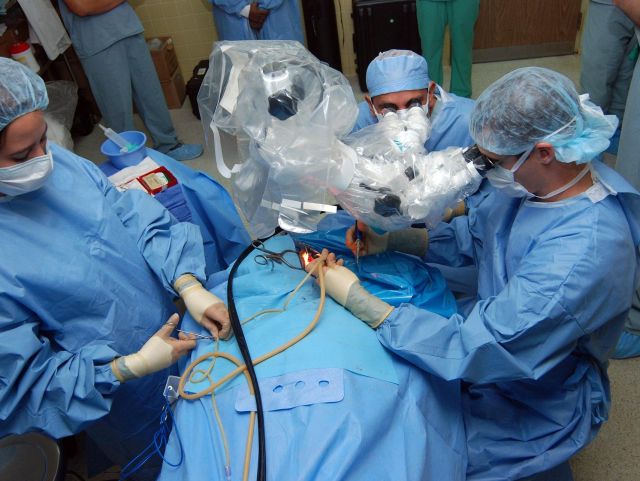
Neurosurgery is the branch of surgery that deals with the brain, the spinal cord, the spine and the nerves. It is the most serious branch of surgery, because these structures can be permanently damaged, and their injury can prove fatal. If you have been told an operation may help, or you are weighing brain-and-spine care abroad, this page walks you through what neurosurgery covers, what happens at each step, what surgery can do and what waiting can do, and how to protect yourself if you travel.
Before anything else, the safety line. Some brain and spine conditions are emergencies that must not wait for a planned appointment or a flight. Call emergency services immediately for a sudden "worst headache of your life" (a thunderclap headache) (NHS); a first-ever seizure, or a seizure that lasts a long time or repeats (NHS); a sudden severe headache with loss of consciousness or increasing drowsiness, which can signal bleeding on the brain (NHS); or sudden severe back or neck pain with new weakness in a leg, loss of bladder or bowel control, or numbness around the genitals (North Bristol NHS Trust). These need hospital treatment now.
What neurosurgery is
Neurosurgery is the medical specialty concerned with the prevention, diagnosis, treatment, and rehabilitation of disorders affecting any part of the nervous system, including the brain, the spinal cord, the peripheral nerves, and the blood vessels that supply the brain (University Hospitals of North Midlands). In plain terms: it is surgery for problems of the brain, the spinal cord, the spine and the nerves. A typical neurosurgery department treats head injuries and brain tumours, provides neurovascular surgery for the brain's blood vessels, and cares for spinal conditions with dedicated spinal consultants, usually on highly monitored beds (University Hospitals of North Midlands).
Neurosurgery treats several families of conditions:
- Brain tumours and cancers. A brain tumour is a growth of cells in the brain that multiplies in an abnormal, uncontrollable way (NHS). Surgery is often used to remove these tumours, aiming to take out as much abnormal tissue as safely as possible (NHS). For the wider treatment of cancer, see cancer treatment and radiotherapy.
- Aneurysms and vascular lesions. A brain aneurysm is a swelling in a blood vessel in the brain that can burst and cause a bleed on the brain, called a subarachnoid haemorrhage (NHS). That bleed is a rare type of stroke and a life-threatening emergency (NHS).
- Spinal problems and compression. These include spinal stenosis, a herniated (slipped) disc, deformity of the spine, spinal cord compression, and cauda equina syndrome, in which the nerves at the base of the spine are compressed (North Bristol NHS Trust).
- Movement disorders and epilepsy. Deep brain stimulation can ease the symptoms of movement disorders such as Parkinson's disease and dystonia (National Services for Health Scotland); epilepsy that does not respond to tablets may be treated with brain surgery or an implanted device (NHS).
- Fluid problems. Hydrocephalus, excess fluid in the brain, is usually treated by a thin tube (a shunt) that drains the fluid away (NHS).
The main operations include craniotomy (making a window in the skull by removing a small piece of bone, a bone flap, that is later put back with titanium screws and plates (Cambridge University Hospitals)), spinal decompression and fusion, tumour removal, aneurysm clipping or coiling, deep brain stimulation, cerebrospinal fluid (CSF) shunts, and disc and nerve surgery.
Neurosurgery sits at the end of a chain of services. The specialist assessment and second opinion that decide whether an operation is needed come from consultation / check-up. The imaging that maps the brain and spine is done under radiology and general diagnostics, and a biopsy read by pathology turns a tumour or lesion into a specific diagnosis. Neurosurgery is itself a branch of surgery.
On MedicalTourism.Review, neurosurgery is a leaf service: it has no sub-services of its own, so its breadth comes from these conditions and operations. Its sibling specialties cover other parts of the body: general surgery handles the core abdominal operations and refers brain-and-spine problems to a neurosurgeon; heart surgery is the cardiac equivalent in the vascular and intensive-care world; and the rest are laparoscopy or minimally invasive surgery, open surgery, gastroenterological surgery, oral surgery, maxillofacial surgery, orthopedic surgery, plastic surgery or cosmetic surgery, prostatectomy and transurethral resection, and sinus lifting.
How neurosurgery works
The pathway starts long before any operation. You first meet a consultant or a member of the neurosurgical team, who takes your history, examines you and decides what tests are needed. This visit is an assessment, not a promise to operate: the team weighs your scans and your condition before deciding whether surgery helps at all (NHS). Write your questions down beforehand so you get the answers you need.
Then come the scans. CT and MRI map the brain and spine; cerebral angiography passes a thin tube (catheter) and dye to give very detailed pictures of the brain's blood vessels, and is used to confirm a diagnosis and to plan aneurysm treatment (NINDS). Where a tumour or lesion is found, a biopsy removes a small tissue sample that a pathologist reads (histopathology) to give the specific diagnosis (Cambridge University Hospitals). These scans and tests are what decide whether an operation is needed.
Before a planned operation, the surgeon obtains your consent well in advance, because a major procedure deserves time to understand what it involves and to ask questions, and consent must be voluntary and informed (NHS). You are entitled to withdraw your consent at any point before the operation (NHS). If you are unsure about agreeing, you can ask another doctor, nurse or health professional for a different opinion (Royal Orthopaedic Hospital); see second opinion.
On the day, a general anaesthetic is usually used, given and monitored by a specialist doctor (the anaesthetist) and the team throughout (NHS). Becoming accidentally aware during a general anaesthetic is very rare, because the anaesthetist monitors you carefully (NHS).
In the first hours and days after, you are cared for on monitored neurosurgical beds by a multidisciplinary team, with rehabilitation arranged (University Hospitals of North Midlands). Nurses watch your neurological state closely, control your pain, get you moving early and give clot-prevention treatment such as compression stockings (TEDS), and, if your mobility is limited, a blood-thinning injection (North Bristol NHS Trust).
Who it is for, and when not to wait
Neurosurgery suits people with a brain, spine, spinal cord or nerve condition that an operation can safely improve, or that surgery can save their life from: a brain or spinal tumour, an aneurysm (especially one that has ruptured), spinal cord compression or cauda equina syndrome, a serious head or spine injury, and movement disorders or epilepsy that medicine cannot control (University Hospitals of North Midlands). But operating is not the right first move for everything.
Some conditions are watched, not operated on. A small aneurysm that causes no symptoms usually needs no treatment at all, because these often do not grow and carry a low risk of bursting, so regular follow-up scans are often all that is needed (NHS). Many back and leg problems improve with conservative treatment such as physiotherapy, painkillers and time, and surgery is not always offered and is rarely offered for chronic back pain alone (North Bristol NHS Trust). Deep brain stimulation is not a cure for Parkinson's disease; it eases the symptoms but does not fix the condition (National Services for Health Scotland; North Bristol NHS Trust). Epilepsy cannot currently be cured but is often managed with tablets, with brain surgery or an implanted device reserved for cases that do not respond to medicine (NHS).
Waiting can cost real function, so the consequences of not having the operation must be weighed honestly:
- Brain and spinal tumours. Around 17 out of every 100 people with a cancerous brain tumour survive for five years or more after diagnosis (NHS). A tumour that keeps growing narrows the window for operation, which is why timely assessment matters.
- Ruptured aneurysm. About a quarter of people who experience a ruptured brain aneurysm die within 24 hours (Cleveland Clinic). Of those who survive, about two-thirds (66%) are left with permanent brain damage (Cleveland Clinic). A ruptured aneurysm is a life-threatening emergency that needs hospital treatment as soon as possible (NHS). A family history matters too: having a parent or sibling with brain aneurysms is a recognised risk factor, which is why screening targets high-risk people (Cleveland Clinic).
- Spinal cord compression and cauda equina. Left untreated, or if treatment is delayed, spinal cord compression can lead to permanent damage and even paralysis; early diagnosis and treatment gives the best chance of preventing paralysis (The Christie). An acute cauda equina syndrome is a medical emergency treated by decompression surgery, and earlier surgery is associated with better outcomes, particularly when symptoms are new and getting worse (North Bristol NHS Trust; North Bristol NHS Trust).
So when an operation is advised, the honest question is not only what surgery will do for you, but what happens if you do nothing, or wait.
Learn the symptoms that mean do not wait. If any of the following appear, seek emergency care now, not a planned appointment:
- A sudden, explosive "worst headache of your life" (a thunderclap headache) (NHS).
- A first-ever seizure, or a seizure that lasts a long time or repeats, because status epilepticus needs urgent treatment to prevent brain damage (NHS).
- A sudden severe headache with loss of consciousness or increasing drowsiness, which can signal bleeding on the brain (NHS).
- New or rapidly worsening weakness, numbness, trouble speaking or seeing, or loss of balance, which can signal a brain bleed or stroke (NINDS).
- Sudden severe back or neck pain with new weakness in a leg, loss of bladder or bowel control, or numbness around the genitals, signs of cauda equina or spinal cord compression (North Bristol NHS Trust).
How to prepare
Careful preparation before brain or spine surgery reduces problems and helps you recover more smoothly. Each step has a purpose:
- Bring your scans and the report. Copy your latest MRI, CT or angiography images and the written report so the team sees exactly what was found without repeating tests.
- List every medication. Tell the team about all prescriptions, over-the-counter drugs and supplements, and which ones you take daily.
- Stop or adjust blood-thinning medicines as directed. Medicines that affect clotting, such as aspirin, clopidogrel, warfarin, edoxaban, apixaban or rivaroxaban, may need to be stopped or changed before surgery to minimise bleeding risk (Cambridge University Hospitals).
- Stop smoking. Giving up smoking and vaping helps your body heal.
- Arrange for someone to stay. After a general anaesthetic, arrange a responsible adult to come with you and stay for at least a day, because the medication impairs judgment, coordination and alertness.
- Get a second opinion before a major operation. If you are unsure about agreeing to the treatment, ask another doctor for a different opinion (Royal Orthopaedic Hospital).
- Plan the money and aftercare. Work out the cost and how you will be followed up at home.
You can say these exact words to your surgeon:
- "How many of this exact operation do you perform a year, and what are your qualifications?"
- "What are the most serious things that can go wrong for my specific condition, and what happens if one of them does?"
- "What emergency and intensive-care capability does the facility have on site, and who treats a serious problem overnight?"
- "Which anaesthetic will I have, and how long until I can safely fly home?"
- "How will my records and follow-up work back home?"
The NHS lists what a patient may ask a surgeon before surgery: who will perform the operation, what qualifications and experience they have, what the operation involves, what anaesthetic is needed, and how long the waiting list is (NHS).
What to expect: risks of treatment, risks of waiting, and recovery
Done well, neurosurgery can save a life, relieve pain, stop seizures, and preserve or restore brain and nerve function (University Hospitals of North Midlands). A craniotomy can remove a tumour threatening the brain, decompression can free compressed nerves and preserve movement, and clipping or coiling can secure a ruptured aneurysm before it bleeds again.
But this is the highest-risk surgery there is, and risk to life and to brain function is real: after a brain tumour craniotomy, death affects about 1 in 100 patients (Cambridge University Hospitals). The same leaflet gives the risk of infection in the brain at about 1-5 in 100, of a CSF leak at about 1-5 in 100, and of bleeding at about 4 in 100 (Cambridge University Hospitals). If the tumour sits in or near a critical area of the brain, a permanent neurological deficit such as speech, visual, arm or leg weakness can occur in about 10 in 100 people (Cambridge University Hospitals).
After spinal (lumbar) surgery, the risks include a wound infection of about 1%, a leg blood clot (DVT) of about 5-10%, a lung clot (pulmonary embolism, PE) of about 0.1%, and significant nerve damage causing bladder, bowel or paralysis problems of less than 1%; a dural tear with leakage of spinal fluid (a CSF leak) occurs in 1-5% of patients (North Bristol NHS Trust).
Deep brain stimulation is not a cure and carries an overall serious-complication risk of less than 5%, including stroke (1%) and infection (under 2% for primary procedures); bleeding, in the worst case, can cause severe long-term disability or death (North Bristol NHS Trust). Any brain operation carries a very small risk of death of less than 1 in 1,000, and specific operations such as pituitary surgery can also cause bleeding, meningitis, a CSF leak, hormonal problems, blindness and stroke (Hull University Teaching Hospitals). A blocked shunt in someone with hydrocephalus can cause a build-up of excess fluid and brain damage, needing emergency surgery to replace the shunt (NHS).
After major brain or spine surgery you are often cared for in a monitored neurosurgical ward or in intensive or high-dependency care, with regular neurological checks (University Hospitals of North Midlands). Some of the changes surgery can cause are permanent, particularly near critical areas of the brain (Cambridge University Hospitals). If a serious complication happens in the first hours, the team must be able to act immediately, which is why real on-site emergency and intensive-care capability matters (University Hospitals of North Midlands), and some cases need revision or re-operation if a bleed occurs or a shunt blocks.
Put the two sides together: the benefit of surgery, saving life, relieving pain, stopping seizures, preserving function, set against what can go wrong, and both must be weighed against what the untreated condition will do if you wait, as the figures above show.
Finding neurosurgery abroad on MTR
Travelling abroad for neurosurgery means the assessment-to-surgery flow is the same, but what changes is who you see, the facility's on-site emergency and intensive-care capability, and how the first post-operative hours are run. Here is what to check before booking:
- On-site emergency and ICU capability is a must-ask. Neurosurgery is delivered on highly monitored beds for both complex and routine surgery (University Hospitals of North Midlands). Ask plainly whether real emergency cover and intensive care are in the building around the clock, and what happens to you if something goes wrong overnight.
- The surgeon's experience and qualifications. Ask how many of this exact operation the surgeon performs a year and what their training is (NHS).
- Facility accreditation. Ask whether the facility is accredited and what surgical safety checklists it follows, because standards vary from country to country.
- Records and an aftercare plan in English. Get your complete records and an aftercare plan in English before you fly, so a home specialist can take over follow-up.
- Who treats a serious problem back home, and who pays. Decide in advance which home specialist continues your care and who covers emergency treatment after you return.
- Flying after surgery. Do not fly on a long-haul flight (longer than 4 hours) for at least 4 weeks before or after surgery (Royal Orthopaedic Hospital), because long journeys, particularly flying, raise the risk of a blood clot and recent surgery raises it further (Royal Orthopaedic Hospital). In the general population the annual risk of a blood clot is about 0.1%, and travel with limited mobility increases that (CDC).
- Whether travelling is wise at all. If your condition is urgent or unstable, do not travel; that is a local emergency to treat now, not a flight. Keep your home specialist informed throughout.
- Compare on quality, never on price. Judge providers by accreditation, surgeon case volume, emergency and ICU backup and a clear home aftercare plan, not by the price of the operation.
To explore accredited providers, browse the neurosurgery providers directory and the wider surgery providers directory, and read our practical guides on top medical tourism destinations worldwide and navigating US medical tourism.
This week, get copies of your scans and the report, list your medications, and ask your surgeon about their experience with this exact operation and the facility's emergency capability.
Medical disclaimer: This information is for general educational purposes and is not medical advice. Always consult a qualified healthcare professional about your individual situation.
Reviewed against authoritative medical sources (NHS, including NHS Health A-Z and NHS England; University Hospitals of North Midlands NHS Trust; Cambridge University Hospitals NHS Trust; North Bristol NHS Trust; National Services for Health Scotland; Hull University Teaching Hospitals NHS Trust; The Christie NHS Foundation Trust; the National Institute of Neurological Disorders and Stroke (NINDS) at the US National Institutes of Health; Cleveland Clinic; the US Centers for Disease Control and Prevention; and Royal Orthopaedic Hospital NHS Foundation Trust).
Last reviewed: 4 November 2026
Providers that provide Neurosurgery Service
| Providers | Score | Reviews | Location |
|---|---|---|---|
| Welcare Hospital |
90.96 |
7 | India |
| Lokman Hekim Health Group |
89.32 |
32 | Turkey |
| Medpark International Hospital |
87.82 |
11 | Moldova |
| Centrul Diagnostic German |
87.54 |
3 | Moldova |
| Premier Brain & Spine |
87.18 |
2 | United States |
| Sinaiclinic Hospital |
87.18 |
2 | Egypt |
| Assuta Hospital |
83.78 |
1 | Israel |
| International Modern Hospital |
83.78 |
1 | United Arab Emirates |
| NCR International Hospital |
83.78 |
1 | Turkey |
| NU-Spine: The Minimally Invasive Spine Surgery Institute |
83.78 |
1 | United States |
| Central Clinic Of Athens |
83.78 |
1 | Greece |
| Clinica San Roman |
83.78 |
1 | Spain |
| Eurokliniki |
83.78 |
1 | Greece |
| Spire Elland Hospital |
83.78 |
1 | United Kingdom |
| St Luke’s Hospital |
83.78 |
1 | Philippines |
| Athens Vita Veritas |
82.84 |
1 | Greece |
| Jewish General Hospital |
82.69 |
2 | Canada |
| Quironsalud Medical Center Mercado de Colon |
78.11 |
1 | Spain |
| Laser Clinics France Ltd |
75.27 |
1 | France |
| Hermanos Ameijeiras Hospital |
73.86 |
1 | Cuba |