
Alternative Medicine
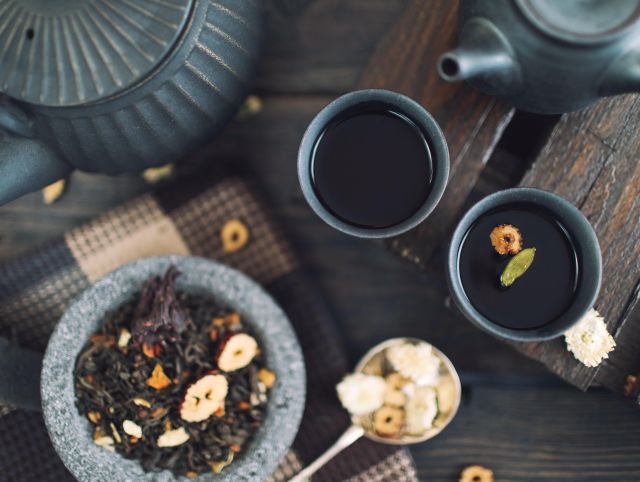
Alternative medicine covers treatments and products that originate outside conventional, mainstream medicine: acupuncture, massage, herbal remedies, homeopathy, mindfulness, and several others. Used together with your regular medical care, the approach is usually called complementary medicine; used in place of it, alternative medicine (NCCIH). Whether you are weighing these options at home or abroad, one rule never changes. If your symptoms suddenly get worse, do not wait for a planned session or fly through them, get urgent medical care right where you are (CDC). This guide explains what alternative medicine is and how each family works, who it suits and who should not rely on it, how to prepare so you stay protected, what is known and what is not, and how to travel safely.
What alternative medicine is
Health bodies define traditional medicine as codified or non-codified systems of care and well-being that originate in different cultures and pre-date modern biomedicine (WHO). Complementary medicine, by contrast, describes practices used alongside a country's mainstream medicine rather than instead of it (WHO). In everyday language the distinction is simple: use an approach together with conventional care and it is complementary; use it in place of conventional care and it is alternative (NCCIH). A third term, integrative health, pairs conventional and complementary approaches in a coordinated plan that treats the whole person (NCCIH).
The family is broad. It ranges from codified whole-system medicines such as Ayurveda and traditional Chinese medicine to informal remedies passed down within households and communities (WHO). On MedicalTourism.Review, alternative medicine groups into five families:
- Mind-body practices calm the mind and body: mindfulness trains attention on the present moment without judging it, and autogenic training uses repeated phrases to bring on feelings of heaviness and warmth (NCCIH; PubMed Central).
- Needle and body-based work acts on the body directly: acupuncture inserts fine needles into the skin, and massage manipulates the soft tissues with the hands (NCCIH).
- Plant- and substance-based whole-system medicine blends remedies, food and lifestyle: herbal medicine draws on plants and botanical remedies, naturopathy is a 19th-century European-rooted system that aims to treat disease at its root cause, Ayurveda is an ancient Indian medicine built on a natural, holistic approach to body and mind, and folk medicine uses remedies handed down within households and communities (NCCIH; WHO).
- Dilution and "vital-force" systems: homeopathy assigns highly diluted products to each person, and this family also covers live cell therapy, a cell-based or "regenerative" treatment marketed to the public (NCCIH; ISSCR).
- Other invasive or substance-based therapies: chelation therapy uses a chemical that binds to metal atoms so they can be removed, and ozone therapy works with a gas that has no established medical use (Merck; FDA).
The claims made by non-mainstream practitioners can sound promising, but researchers do not know how safe many of these treatments are or how well they work (MedlinePlus). Keeping that in mind changes what you should expect from a session, and what you should not.
How alternative medicine works
A typical first contact is a long consultation. When you first see a practitioner, they will usually ask about your specific conditions, your general wellbeing, your emotional state, your lifestyle and your diet, then decide on an individualised course of treatment from that picture (NHS). The assessment exists to fit the remedy to you rather than to a label, which is why the first appointment is a long one. Once the plan is set, the session itself follows: needles or hands or products, sometimes taken at home over days or weeks, with any follow-up arranged after.
How each family is said to work differs. Acupuncture inserts fine needles that may be moved by hand or stimulated with small electrical currents, called electroacupuncture, and it is used in 103 of the 129 countries that report to the World Health Organization (NCCIH). Massage, in its most common Western form called Swedish or classical massage, works the soft tissues with the hands (NCCIH). Meditation and mindfulness focus on integrating mind and body by paying attention to the present moment without judging it (NCCIH). Autogenic training, developed by a German psychiatrist in 1932, is a self-induced relaxation technique based on autosuggestion, using repeated phrases to bring on heaviness and warmth (PubMed Central).
The honest note is that many of the proposed mechanisms are unproven. For acupuncture, part of the benefit is "nonspecific," meaning some of it behaves like a placebo effect, and how it works is not fully understood (NCCIH). Homeopathy relies on extreme dilution, and its products are often so dilute that none of the original substance remains (NCCIH). So wherever you go, ask which of these ideas rest on evidence and which rest only on the claim itself.
Who it is for, and when not to wait
Alternative approaches suit people with a chronic, lingering symptom that conventional medicine has only partly helped, such as chronic pain, stress, poor sleep, fatigue or irritable bowel syndrome, or people who prefer to avoid drugs. Some have supportive evidence for specific aims: acupuncture for certain chronic pain and for nausea and vomiting after surgery or chemotherapy, and mindfulness for stress and sleep (NCCIH; MedlinePlus). Used alongside regular care under a doctor's supervision, they can be a reasonable complement.
But they are not a substitute for proven treatment of acute or serious conditions. There is no evidence that any complementary approach can cure cancer, heart disease, diabetes, epilepsy or HIV, and using one to replace conventional medicines can lead to loss of control or toxicity (NHS England). No complementary approach has been shown to prevent or cure cancer, and unproven products should not be used to replace or delay treatment for it (NCCIH).
Here is what waiting quietly costs. The earlier a cancer is caught, the better the odds. For kidney cancer, five-year survival is 93.6% when it is still localized, but only 20.3% once it has spread to distant parts of the body, about nine in ten versus about one in five (SEER). For melanoma skin cancer, five-year survival is 97.6% at stages I and II but only 16.2% at stage IV, nearly everyone versus about one in six (SEER). That is what delay can do: move a treatable cancer into a harder-to-treat one.
So do not treat a persistent or puzzling symptom with an alternative remedy alone and hope it passes. In England, the NHS advises seeing a GP for blood in the stool lasting three weeks or more, unexplained weight loss, or unusual tiredness, and treats these as things not to wait out (NHS). If you are planning to go abroad, the same caution applies: arrange a proper check rather than booking a wellness package first, and plan how any monitoring continues once you are home.
How to prepare
Preparing for alternative medicine is mostly about protecting yourself from interactions and from an unqualified practitioner. Each item has a reason:
- Write down everything you take. Bring a list of every prescription, over-the-counter drug, supplement and herbal product, how often you take each and the doses, because supplements can decrease or increase the effects of medicines (NCCIH).
- Flag the interactions you already know about. St. John's wort lowers the level of many drugs in the body, and if you take medicines with a narrow therapeutic index, such as digoxin, warfarin or cyclosporine, tell anyone starting you on herbal products (NCCIH).
- Stop certain products before surgery. Garlic, ginger and ginkgo can increase bleeding during an operation, and kava and valerian can affect anaesthesia doses, so complementary products should be stopped at least two weeks before planned surgery (NHS England).
- Check the practitioner's credentials. Qualifications vary enormously between countries and disciplines, so find out a practitioner's education, training, licensing and certifications, and confirm they will work alongside your conventional doctors (NCCIH).
- Ask what evidence exists. Before deciding, find out what scientific studies have been done on the safety and effectiveness of the treatment that interests you, and discuss them with your provider (NCCIH).
You can put these questions to a practitioner in these words:
- "What evidence supports this treatment for my specific condition?"
- "Could anything you are offering interact with the medicines or supplements I already take?"
- "What are your qualifications and licensing, and will you share information with my regular doctor?"
- "What should I stop or change before I begin, and how soon will I know whether it is helping?"
What to expect, risks and recovery
Some of these approaches genuinely help, and some carry real downsides, so the honest answer has two parts.
On the helpful side: for painful conditions such as back, neck, osteoarthritis and headache pain, acupuncture was more effective than no treatment, with pain relief comparable to nonsteroidal anti-inflammatory drugs (NCCIH). It also reduces nausea and vomiting after surgery and chemotherapy (MedlinePlus). The UK's NICE recommends considering acupuncture for chronic pain, chronic tension-type headaches, migraines, prostatitis symptoms and hiccups, while noting the evidence that it beats other treatments is unclear (NHS).
On the downside, the hands-on modalities are mostly small, quick and reversible, but each has its own hazards:
- Acupuncture is mostly free of serious problems, and the minor effects that do occur are rare and very mild, most commonly bleeding, needle-site pain and local reactions, affecting about 1 in 10 patients (roughly 5 to 15 in a hundred) (BMJ Open).
- Massage carries a low risk of harm, but rare serious side effects such as a blood clot, nerve injury or a bone fracture have been reported, often with vigorous massage or in older people (NCCIH).
- Herbs and supplements can decrease or increase the effects of medicines, which is why the full medication list matters (NCCIH).
- Ayurveda preparations may contain lead, mercury or arsenic in toxic amounts, and there is no licensing of Ayurvedic practice in the United States (NCCIH).
- Homeopathy products are sometimes not heavily diluted and can contain substantial active ingredients that cause side effects and drug interactions, and "nosodes" sold as vaccine substitutes have no credible scientific support (NCCIH).
- Chelation therapy is not recommended by the FDA outside research except for heavy-metal poisoning; it can strip vital minerals such as calcium and iron, and low calcium can be serious and rarely is fatal, so children, pregnant women and people with heart or kidney failure should not have it (Merck; Alberta).
- Ozone therapy works with ozone, a toxic gas with no known useful medical application, and inhaling it can damage the lungs and cause pulmonary edema; routine clinical use is not justified by the evidence, and rare serious events including stroke, heart attack, thrombosis and hemolysis have been described (FDA; MedSci).
- Live cell therapy has insufficient evidence of safety and effectiveness for the vast majority of conditions it is marketed to, and serious adverse events have been reported (ISSCR).
What is known and not known comes down to the strength of the evidence. For homeopathy, an Australian government review found no reliable evidence of effectiveness for any health condition across 57 reviews and 176 studies, and NICE does not recommend it for any condition (NCCIH; NHS). For meditation, a 2020 review of 83 studies found about 8% of participants had a negative effect, but the mindfulness practices were not more harmful than receiving no treatment (NCCIH). In most regulated US states, massage therapists must be licensed before practising, though standards vary by country and discipline (NCCIH).
For the hands-on sessions, recovery is quick, with any soreness or mild bruising at a needle site settling on its own (BMJ Open). The honest takeaway is that these treatments range from well supported for some narrow aims to unsupported for others, and the riskiest ones, chelation, ozone and live cell therapy, are the ones you should treat with the most caution.
Finding alternative medicine abroad on MTR
Travelling abroad for alternative medicine means arranging the same safety steps as any medical trip, plus one extra caution: make sure the treatment complements, rather than replaces, the care you would have at home.
- See a provider before you go. Have a pretravel consultation at least four to six weeks before the trip, and get international travel health insurance that covers medical evacuation back home (CDC).
- Carry your records and your full list. Bring copies of your medical records, keep medicines in original packaging with copies of prescriptions, and take your written list of everything you take, because you may only meet a clinician once (CDC).
- Collect copies when you leave. Request copies of any care received abroad, translated into English if needed, and share them with the professionals who continue your care at home (CDC).
- Check what your insurance covers. Not all plans cover emergency care or evacuation abroad, so review your domestic policy, buy supplemental travel health insurance, and store copies of your records with a medical assistance company (CDC).
- Confirm the practitioner is serious. As at home, check their qualifications, licensing and credentials, and whether they will coordinate with your home doctors (NCCIH).
Some symptoms are not an alternative-medicine decision at all. A condition that needs a proper test belongs with diagnostics or pathology, imaging belongs with radiology, and a first conversation about what you are dealing with belongs with a consultation or check-up. If a condition genuinely needs an operation, it belongs with a surgeon, not an alternative remedy.
To explore accredited providers, compare verified alternative medicine providers abroad and read our practical guide to the top destinations for medical tourism.
This week, list every medicine and supplement you take, note any symptom that has persisted for more than three weeks, and if you are considering going abroad, book a proper pretravel consultation.
Medical disclaimer: This information is for general educational purposes and is not medical advice. Always consult a qualified healthcare professional about your individual situation.
Reviewed against authoritative medical sources (World Health Organization; the National Center for Complementary and Integrative Health and MedlinePlus, both part of the US National Institutes of Health; the National Cancer Institute SEER program; the US Centers for Disease Control and Prevention; NHS, including NHS 111 Wales; the Specialty Pharmacy Service of NHS England; the US Food and Drug Administration; Merck Manuals; the International Society for Stem Cell Research; MyHealth Alberta; PubMed Central; BMJ Open; MedSci).
Last reviewed: 4 November 2026
Providers that provide Alternative Medicine Service
| Providers | Score | Reviews | Location |
|---|---|---|---|
| Dubai Cosmetic Surgery Clinic |
94.92 |
37 | United Arab Emirates |
| Medpark International Hospital |
87.82 |
11 | Moldova |
| Centrul Diagnostic German |
87.54 |
3 | Moldova |
| Sinaiclinic Hospital |
87.18 |
2 | Egypt |
| Terramed |
86.22 |
4 | Moldova |
| International Modern Hospital |
83.78 |
1 | United Arab Emirates |
| Versailles Dental Clinic |
83.78 |
1 | United Arab Emirates |
| Clinica San Roman |
83.78 |
1 | Spain |
| Spire Elland Hospital |
83.78 |
1 | United Kingdom |
| St Luke’s Hospital |
83.78 |
1 | Philippines |
| Doctor Didevich Clinic |
81.89 |
1 | Ukraine |
| Royal Berkshire Hospital |
79.06 |
1 | United Kingdom |
| Laser Clinics France Ltd |
75.27 |
1 | France |
| Sellmer Klinik |
62.98 |
1 | Denmark |
| Centro De Oftalmologia Barraquer |
61.09 |
1 | Spain |
| Kpj Ampang Puteri Specialist Hospital |
60.15 |
1 | Malaysia |
| Dr. Joy Dental Clinic |
57.31 |
1 | United Arab Emirates |
| Vithas Xanit International Hospital |
50.5 |
7 | Spain |
| Clinic Center Turkey |
49.84 |
3 | Turkey |
| Tongshantang Hospital |
43.65 |
3 | China |