
Organ and Tissue Transplant
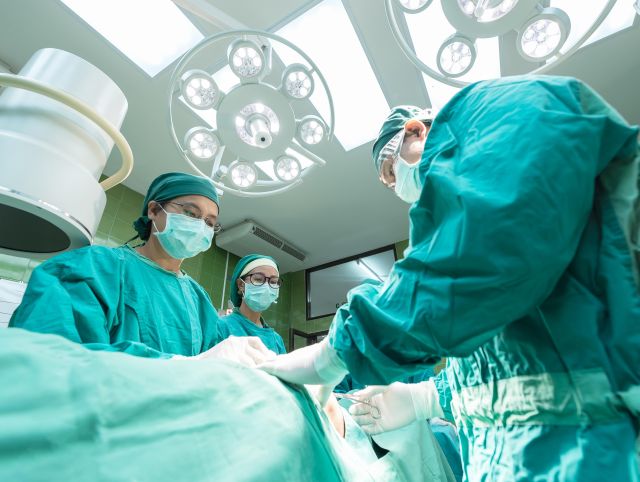
A transplant replaces a failed or failing organ with a healthy one from another person, and it is one of the most consequential decisions a person can make about their own body. The World Health Organization calls transplantation the best — and often the only — way to save lives for people with serious or life-threatening diseases and injuries (WHO). It is also one of the least forgiving operations a person can have abroad. You will take medicines every day for the rest of your life (MedlinePlus), your risk of infection is highest in the first year after surgery (CDC), and everything that happens after the graft depends on follow-up, not on the operation itself. If the symptoms of your organ failure suddenly get worse, do not wait for a planned operation or a flight home: get emergency medical care immediately. This page walks through what a transplant is, what the process looks like from evaluation to lifelong monitoring, and what to check if you are weighing care abroad.
What organ and tissue transplant is
When you have an organ transplant, doctors remove an organ from another person and place it in your body (MedlinePlus). The World Health Organization defines transplantation more broadly as replacing non-functional cells, tissues or organs with healthy counterparts obtained from another individual through voluntary donation during their lifetime or after their death (WHO). Most organ and tissue donations occur after the donor has died, but some organs and tissues can be donated while the donor is alive, and the organs from one donor can save or help as many as 50 people (MedlinePlus).
On MedicalTourism.Review, the services under this hub cover every kind of graft, and all of them follow the same pathway:
- Solid organs: Kidney Transplant replaces a kidney that no longer filters the blood, the treatment of choice for long-term (chronic) kidney failure; Liver Transplant replaces a liver that has failed; Heart Transplant replaces the heart in end-stage heart failure; Lung Transplant replaces the lungs in advanced lung disease; Pancreas Transplant replaces a diseased pancreas, sometimes alongside a kidney; Intestine Transplant replaces a failing bowel in people with short gut who must live on intravenous feeding.
- The Solid Organ Transplantation page covers the organ transplants as a group, for readers who want the shared pathway in one place.
- Bone marrow and blood stem cells: Bone Marrow Transplantation replaces failing bone marrow; stem cell transplants are similar to blood transfusions and generally do not need surgery (MedlinePlus).
- Tissue transplants follow the same principles on a smaller scale. A corneal transplant replaces a damaged or diseased cornea, and skin, bone, heart valves and blood vessels can also be grafted, with benefits that include survival after severe burn trauma, recovery of movement, closure of chronic wounds, rehabilitation of heart function and restoration of sight (MedlinePlus; WHO).
Transplantation sits alongside the other general-surgery services on MedicalTourism.Review, each with its own page: Breast Surgery Non-cosmetic removes tumours from the breast without reconstruction; Colon and Rectal Surgery repairs or removes diseased bowel; Endocrine Surgery treats thyroid, parathyroid and adrenal disease; Hernia Surgery closes hernias; Paediatric Surgery is surgery for children; Podiatric Surgery repairs feet; Surgical Oncology removes or prepares cancerous tissue; Thoracic Surgery works on the chest, heart and lungs; and Trauma Surgery / Surgical Critical Care manages the emergencies that follow injury.
How a transplant works
The operation is only one part of a complex, long-term process (MedlinePlus). Here is the pathway in the order you will walk it, and the reason each step exists.
Candidate evaluation. You will have a complete medical exam to identify and treat all medical problems, such as kidney and heart disease (MedlinePlus). This step protects you: the team needs to know your body can cope with a major operation, and some conditions and associated complications may make a patient ineligible (Cleveland Clinic).
The waiting list. If the team judges you a candidate, you will be put on a national waiting list, and the search for a matching donor begins (MedlinePlus). In England the equivalent step is going on the national transplant list and waiting to be matched with a suitable kidney (NHS Blood and Transplant). In the United States, the United Network for Organ Sharing manages the heart waiting list (Cleveland Clinic). Waiting is part of the process for nearly everyone, because there are fewer donor organs than people who need them: the numbers of patients on waiting lists, transplants performed and organs recovered in the US all continued to reach record levels in 2024 (OPTN/SRTR).
The donor. The organ may come from a living donor or a donor who has recently died (MedlinePlus). Kidneys can be donated from a living or deceased donor, and when a family member wants to give one, they go through the same matching as you do (NHS Blood and Transplant).
Matching. Doctors must match donors to recipients to reduce the risk of transplant rejection (MedlinePlus). Your blood group is needed in order to find a suitable donor, and your tissue type lets the team check how well matched you are with a donated kidney; high levels of antibodies in your blood can make it harder to find a suitable donor (NHS Blood and Transplant). Donor hearts are matched to recipients for size (Cleveland Clinic).
The operation and intensive care. A transplant is a major operation (NHS Blood and Transplant). After the graft you usually move to intensive care, where the team watches the new organ and you through the first hours and days (MedlinePlus).
Lifelong immunosuppression. If you have a transplant, you must take drugs the rest of your life to help keep your body from rejecting the new organ (MedlinePlus); you will also need to take daily medicines to prevent rejection (NHS Blood and Transplant).
Monitoring. The team watches for rejection and infection through blood tests and, for some organs, repeated biopsies. Biopsies of the heart muscle are often done every month during the first 6 to 12 months after a heart transplant, and then less often after that (MedlinePlus). Infection risk is greatest in the first year after transplant (CDC).
Life after. The new organ does not end the relationship: follow-up visits, drug levels and lifestyle adjustments continue for years, and the whole process is a long-term treatment rather than a one-off procedure (MedlinePlus).
If you are considering a program abroad, this is where the difference between a real transplant centre and a clinic that will perform surgery shows up. Confirm that the program runs the whole pathway — matching, intensive care, lifelong follow-up — not just the operation.
Who it is for, and when not to wait
A transplant is for people whose organ failure is serious enough that a graft is the best option, and for whom a donor organ is available. The main indications: a kidney transplant is an option for someone with long-term (chronic) kidney failure; a heart transplant is an option for someone with very severe heart failure that has not responded to treatment; an intestinal transplant suits people with short bowel or short gut syndrome or advanced liver disease, or who must receive all nutrients through an intravenous feeding line; and a lung transplant may be the only option for someone with lung disease who has not gotten better using other medicines and therapies, and is expected to survive for less than 2 years (MedlinePlus).
Some conditions leave no alternative at all. In chronic or acute liver failure, as well as some cardio-respiratory conditions, transplantation is the only option (WHO). A heart transplant is a last-resort treatment for end-stage heart failure, offered only when you're too sick to survive without a transplant, and you must meet strict criteria to receive one (Cleveland Clinic).
Who is usually not a candidate: people whose other medical conditions or associated complications may make them ineligible for a transplant (Cleveland Clinic). Recipients must meet strict criteria before being waitlisted, and specific conditions and their complications may make a patient ineligible (Cleveland Clinic; Cleveland Clinic). Candidacy is decided by a transplant team, not by a patient or a package.
The cost of waiting deserves its own attention, because for the failing organ it is real. For kidney failure, kidney transplantation has better outcomes than dialysis in terms of survival, quality of life and cost-effectiveness (WHO). The scale of that difference: in a Korean national insurance cohort of adults with end-stage kidney disease and a prior heart attack, the 10-year all-cause mortality was 60.1% in the dialysis group and 14.5% in the transplant group — about six in ten people on dialysis died within ten years, compared with fewer than one in seven after transplant (Transplant International). The pattern holds at the other end of the age range too: among older candidates over 55 on the deceased-donor waitlist, transplant remains a better option compared with dialysis, worth about five more years of life (Kidney360). And because waiting lists keep reaching record levels, staying off one while organ failure progresses is a gamble against time you may not have (OPTN/SRTR).
One caution for travellers: flying while unstable with urgent organ failure can be unsafe in itself. Ask your specialist before booking anything.
How to prepare
Each item below exists for a specific clinical reason, and several must be arranged before you leave home:
- Finish the evaluation work-up. The complete medical exam identifies and treats problems such as kidney and heart disease before you are even considered for the list (MedlinePlus).
- Know your matching numbers. Your blood group and tissue type are what the donor search runs on; if antibody levels are high, it is harder to find a suitable donor, and your team will want you to understand why (NHS Blood and Transplant).
- Get vaccinations done early. You'll need to be up to date on all of your vaccinations before transplant (Cleveland Clinic), and vaccination timelines must be adhered to, often starting months in advance to ensure efficacy (Transplantation).
- See a travel medicine specialist before flying. Transplant recipients should consult a travel medicine specialist familiar with their medical history and immunosuppressive therapies prior to traveling (Transplantation). One firm rule: people who take anti-rejection medicines should not receive the yellow fever vaccine (CDC).
- Buy the right insurance. Purchase supplemental insurance to cover trip cancellation due to illness, the cost of health care received abroad, and medical evacuation (CDC).
- Arrange records and a home plan. Ask for copies of your records in English and a written follow-up plan before you fly, so a doctor near home can take over drug levels and rejection monitoring the day you land.
Writing down your questions before the consultation helps you get the answers that matter. You can say these exact words to a program:
- "What happens to me if I wait, and how does my chance of a donor change over the next year or two?"
- "Who will manage rejection and my drug levels once I am back home?"
- "Where do your organs come from, and which ethical framework do you follow?"
- "What is your plan if a complication develops in the first weeks after surgery?" (CDC)
- "What does the price include after I leave, and who do I call day or night?"
What to expect, risks and recovery
What a transplant can do is substantial. After an adult deceased-donor liver transplant, 93.5% of patients survive at 12 months — about nine in ten — with 92.0% of grafts still working, and even recipients in the most severe category (MELD score of 40 or greater) have a 5-year patient survival of 79.0%, about eight in ten (OPTN/SRTR). Many people live at least a decade after a heart transplant (Cleveland Clinic). For kidney failure, transplant beats dialysis on survival, quality of life and cost (WHO).
There are three sources: the operation itself, the graft, and the medicines that keep the graft alive.
- The operation itself. A transplant is a major operation (NHS Blood and Transplant), and it carries the usual major-operation risks: bleeding, infection, blood clots and reactions to anaesthesia (MedlinePlus).
- Rejection. Rejection happens when your immune system attacks the new organ (MedlinePlus). There are three types: hyperacute rejection occurs a few minutes after the transplant when the antigens are completely unmatched; acute rejection may occur any time from the first week after the transplant to 3 months afterward; chronic rejection can take place over many years, as the body's constant immune response slowly damages the transplanted organ (MedlinePlus). Single episodes of acute rejection rarely lead to organ failure, but chronic rejection is the leading cause of organ transplant failure (MedlinePlus).
- The medicines. The immunosuppression that protects the graft makes anyone receiving transplant-related immunosuppressive drugs severely immunocompromised, and the risk for infection is greatest in the first year after transplant (CDC). The same medicines carry a higher risk of cancer due to the immunosuppression (Cleveland Clinic).
- The monitoring burden. Follow-up is lifelong and exacting: for a heart, monthly muscle biopsies during the first 6 to 12 months (MedlinePlus), and daily medicines for the rest of your life (MedlinePlus).
What is known and what is not: every figure on this page is tied to a specific organ, population, country and year, because that is how the data exist. There is no single number that covers all transplants, and none exists to be quoted.
Finding transplant abroad on MTR
A transplant abroad is major, follow-up-heavy surgery, not a packaged procedure. Every check below is about safety and continuity of care, never price.
- Check the whole pathway, not just the operation. Ask whether the program runs matching, intensive care and lifelong follow-up itself, and whether rejection and drug levels can be managed near home once you fly back.
- Ask where the organs come from. The World Health Organization notes that the shortage of organs can lead to illegal activities, like trafficking in body parts for transplants, and that inadequate legislation, ethical frameworks and regulation may allow for practices such as organ trafficking (WHO). Legitimate programs follow the WHO Guiding Principles, which set an orderly, ethical and acceptable framework for the acquisition and transplantation of human cells, tissues and organs (WHO). That does not make all international care suspect, but it makes the question worth asking, out loud, in writing.
- Respect the travel rules for the immunosuppressed. Regard anyone receiving transplant-related immunosuppressive drugs as severely immunocompromised, and postpone trips to high-risk destinations until after the first year (CDC). Identify clinics or hospitals in the destination country capable of providing care to immunocompromised patients before you go (CDC).
- Cover the cost of being unwell. Supplemental insurance should cover trip cancellation due to illness, health care received abroad and medical evacuation (CDC).
- Get records in English and a home follow-up plan, including who to call day or night after you return.
To begin comparing programs by organ and country, look at the organ and tissue transplant directory, with programs listed in Turkey, Thailand and India. The related hubs — Diagnostics, Radiology, Pathology, Surgery and Consultation / Check-up — cover the tests and assessments that surround the operation. If you want a wider map before shortlisting, Top Medical Tourism Destinations Worldwide covers the countries most travellers compare and what each is known for.
This week, if a specialist has raised the word transplant with you, write down your questions and ask for a referral to a transplant evaluation; if you are weighing destinations, start with the directory and the four questions above.
Medical disclaimer: This information is for general educational purposes and is not medical advice. Always consult a qualified healthcare professional about your individual situation.
Reviewed against authoritative medical sources (the World Health Organization; MedlinePlus, the US National Library of Medicine; NHS Blood and Transplant; Cleveland Clinic; the US Centers for Disease Control and Prevention; HRSA's OPTN/SRTR Annual Data Report; Transplant International; Kidney360).
Last reviewed: 18 November 2026
Providers that provide Organ and Tissue Transplant Service
| Providers | Score | Reviews | Location |
|---|---|---|---|
| St Luke’s Hospital |
83.77 |
1 | Philippines |
| Hermanos Ameijeiras Hospital |
73.86 |
1 | Cuba |
| Barnaclinic |
58.28 |
1 | Spain |
| Laiko General Hospital Of Athens |
51.32 |
2 | Greece |
| Vithas Xanit International Hospital |
50.52 |
7 | Spain |
| Cevre Hospital |
46.72 |
7 | Turkey |
| Aesthetic Dermatology And Laser Surgery |
Not Rated |
0 | United States |
| Baskent University Hospitals |
Not Rated |
0 | Turkey |
| Burjeel Medical City |
Not Rated |
0 | United Arab Emirates |
| CAYRA CILINIC |
Not Rated |
0 | Turkey |
| Health and Beauty Turkey |
Not Rated |
0 | Turkey |
| Indraprastha Apollo Hospitals Delhi |
Not Rated |
0 | India |
| KONYA BASKENT UNIVERSITY HOSPITAL |
Not Rated |
0 | Turkey |
| Makati Medical Center |
Not Rated |
0 | Philippines |
| Medipol University Hospital |
Not Rated |
0 | Turkey |
| National Cancer Centre Singapore (nccs) |
Not Rated |
0 | Singapore |
| Vijay Dental Clinic |
Not Rated |
0 | India |
| Acibadem Healthcare Group |
Not Rated |
1 | Turkey |
| Citydent |
Not Rated |
1 | Turkey |
| Ng Teng Fong General Hospital |
Not Rated |
1 | Singapore |